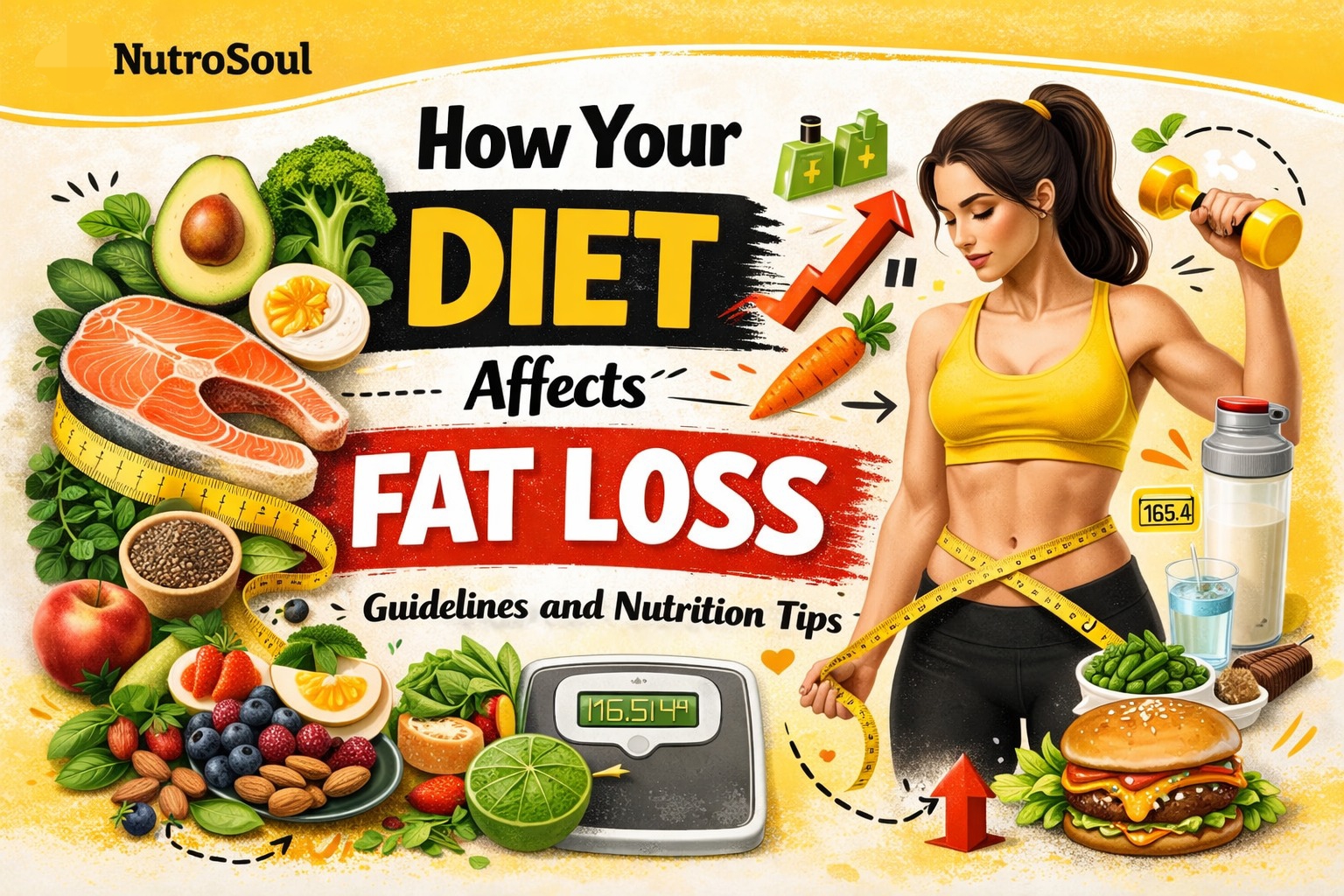
Eating healthy can be difficult, but it doesn’t have to be! Discover how your diet affects fat loss with these helpful guidelines and nutrition tips.
Eating healthy can be difficult, but not impossible. To effectively achieve fat loss, it’s important to understand how diet affects your body and how you can use it to reach your goals. With the right nutrition tips and guidelines, you can learn how to properly consume a balanced diet for fat loss.
1. Limit Your Calories and Control Portion Size.
Maintaining a calorie deficit is key to losing fat. Eating more calories than you burn will cause your body to store these extra calories as fat. To help keep track of calorie intake, it’s important to be mindful of portion sizes. Make sure that the amount of food you are eating fits within your daily caloric needs and doesn’t exceed them. Additionally, try to limit processed or sugary snacks – these are low in nutrients and often contain added sugars which can result in unwanted weight gain from stored fat.
Eating nutrient-dense and fiber-rich food is also essential to fat loss. By increasing your fiber intake, you can feel fuller for longer periods of time, which helps to control overeating and snacking. Additionally, focusing on lean proteins such as fish, poultry, beans and lentils helps promote muscle growth while reducing the amount of body fat you carry. Finally, make sure to include healthy fats like nuts, nut butters and avocado in your diet – these are packed with good fats that are important for promoting a healthy metabolic rate.
2.Choose Whole Foods and Lean Sources of Protein.
Opt for nutrient-rich whole foods such as fruits, vegetables, and other unprocessed items. Eating a diet rich in whole foods can help you maintain optimal health and help reach your weight loss goals. Lean sources of protein like fish, chicken, eggs, and legumes are especially helpful when trying to reduce body fat. Not only do they help provide necessary nutrients and vitamins, but they also keep you feeling full longer so you don’t overeat and exceed your caloric intake.
Every time you sit down for a meal, focus on whole foods that are fresh and organic. Salad greens and non-starchy vegetables like broccoli, asparagus, bell peppers, and zucchini provide plenty of vitamins and minerals, while lean protein sources such as fish, eggs, and lean cuts of poultry can help keep you feeling full.
3.Eat Healthy Fats in Moderation.
Fat is an important macronutrient for the body and plays a key role in preserving muscle mass and staying energized. Healthier sources of fats, such as olive oil, avocado, nuts, and seeds are good choices that can help reduce your chances of developing chronic diseases. Eating healthy fat foods can also help you feel fuller longer as they are digested more slowly than unhealthy processed fats. Just remember to eat these foods in moderation and use them in combination with other nutrient-dense whole foods.
4.Don’t Skip Meals or Cut Out Whole Food Groups.
Skipping meals or cutting out whole food groups can lead to vitamin deficiencies, fatigue, and increased cravings for unhealthy foods. Eating a variety of healthy foods in the recommended portions from all major food groups is essential for fat loss and maintaining overall health. Make sure you’re having at least three balanced meals each day with adequate portions of vegetables, fruit, complex carbs, lean proteins, and healthy fats. This will help provide the necessary nutrients your body needs while promoting healthy weight loss.
5.Increase Fiber Intake with Leafy Greens and Veggies.
Fiber can help you lose weight by promoting feelings of fullness, keeping your blood sugar steady, and aiding in proper digestion. Eating a variety of leafy greens and veggies is a great way to up your fiber intake. Aim for at least 5-6 servings of vegetables each day for maximum benefits. If you’re having trouble getting enough greens in your meals, adding more lettuce or spinach to sandwiches or wraps, as well as roasting kale or Brussels sprouts as a side dish will provide easy ways to get more fiber!
Additionally, fruits can be a great source of dietary fiber. Apples are among the top high-fiber fruits and make a nutritious snack that won’t spike your blood sugar or cause you to put on extra weight. Other good sources of dietary fiber include legumes, nuts, seeds, and whole grains such as quinoa and oatmeal. Eating these foods will help keep you full throughout the day and prevent excessive snacking or unhealthy food cravings that would otherwise have a negative impact on your diet.