Chronic inflammation is increasingly recognized as a hidden driver of many lifestyle diseases, including obesity, diabetes, heart disease, and metabolic disorders. While inflammation is a natural and essential immune response that helps the body fight infections and heal injuries, problems arise when inflammation becomes persistent. This long-term, low-grade inflammation can silently damage tissues and disrupt key metabolic processes.
One of the most significant effects of chronic inflammation is its impact on weight gain and fat storage. Many people struggle to lose weight despite dieting and exercising, and underlying inflammation can be one of the reasons. It can interfere with hormones, slow metabolism, increase cravings, and encourage fat storage, especially around the abdominal area.
The good news is that diet plays a powerful role in controlling inflammation. By choosing the right foods, it is possible to reduce inflammatory responses, support metabolic health, and improve the body’s ability to burn fat efficiently. This approach not only helps with weight loss but also improves overall well-being and reduces the risk of chronic diseases.
what Is Chronic Inflammation?
Inflammation is the body’s natural defense mechanism. When you experience injury, infection, or harmful stimuli, your immune system responds by releasing white blood cells and chemical signals to protect and heal the body. This type of inflammation is short-term and beneficial.
However, chronic inflammation is different. It occurs when the immune system remains active for a prolonged period, even when there is no immediate threat. Instead of helping, it begins to damage healthy tissues and disrupt normal bodily functions. Factors that contribute to chronic inflammation include poor diet, lack of physical activity, stress, inadequate sleep, smoking, and environmental toxins.
How Inflammation Affects Metabolism and Fat Storage
Inflammation and metabolism are closely interconnected. When the body is in a constant state of inflammation, it releases chemical messengers called cytokines. These cytokines can interfere with insulin function and disrupt how the body processes glucose.
This leads to a condition known as insulin resistance. In insulin resistance, the body’s cells do not respond properly to insulin, which is responsible for transporting glucose from the bloodstream into cells for energy. As a result:
- Blood sugar levels remain elevated
- The body produces more insulin
- Excess glucose is stored as fat
This fat is often stored in the abdominal region, leading to visceral fat accumulation. Visceral fat is not just a storage tissue; it actively releases inflammatory compounds, further worsening inflammation.
What Is an Anti-Inflammatory Diet?
An anti-inflammatory diet is an eating pattern that focuses on reducing inflammation in the body by emphasizing nutrient-rich, whole foods. It includes foods that provide antioxidants, healthy fats, fiber, vitamins, and minerals that help regulate immune responses.
Key Principles of an Anti-Inflammatory Diet
- Focus on whole, minimally processed foods
- Include a wide range of brightly colored fruits and vegetables
- Prioritize omega-3 fatty acids
- Maintain balanced portions of carbohydrates, protein, and fats
- Stay hydrated and limit sugary beverages
10 Best Anti-Inflammatory Foods for Weight Loss
1.Fatty Fish: Salmon, sardines, and mackerel are excellent sources of omega-3 fatty acids, which lower the production of inflammatory molecules.
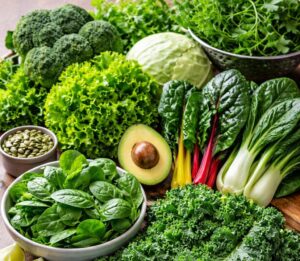
2.Leafy Green Vegetables: Spinach, kale, and lettuce are high in fiber and low in calories, helping to reduce oxidative stress.
3.Berries: Blueberries and strawberries contain anthocyanins that help neutralize free radicals.

4.Nuts: Almonds and walnuts provide healthy fats and protein to prevent overeating.

5.Extra-Virgin Olive Oil: Contains monounsaturated fats and bioactive compounds that reduce markers of inflammation.

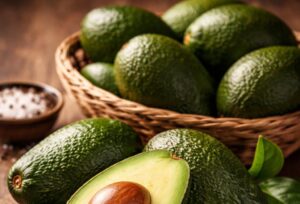
6.Avocado: Rich in potassium and fiber, supporting heart health and stable blood sugar.
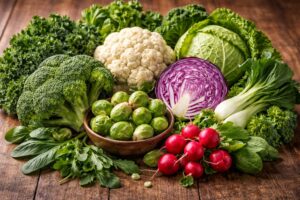
7.Cruciferous Vegetables: Broccoli and cauliflower contain sulforaphane which supports detoxification.
8.Green Tea: High in catechins (EGCG), which may support metabolism and fat oxidation.

9.Turmeric: Contains curcumin, a powerful anti-inflammatory compound (best absorbed with black pepper).

10.Chia Seeds and Flax Seeds: Excellent sources of lignans and fiber to stabilize blood sugar.
Foods That May Increase Inflammation
Certain foods can trigger inflammatory responses and should be limited:
- Refined sugar and sugary drinks
- Refined carbohydrates (white bread, pastries)
- Deep-fried foods and trans fats
- Processed meats with preservatives
Lifestyle Habits That Help Reduce Inflammation
- Consistent physical activity: Enhances insulin response and reduces visceral fat.
- Quality sleep: Supports hormone balance.
- Stress management: Lowers cortisol levels.
- Limiting alcohol and smoking: Further lowers inflammation markers.
Conclusion: Support Sustainable Weight Loss
Addressing inflammation through diet and lifestyle changes can significantly improve metabolic health. Choosing whole, nutrient-rich foods supports long-term weight management and overall well-being.
For more nutrition guidance and resources on metabolic health, visit www.nutrosoul.com
Frequently Asked Questions (FAQs)
- Do anti-inflammatory foods help with weight loss?
Yes, by improving metabolism and reducing fat storage signals. - Can inflammation cause belly fat?
Yes, chronic inflammation promotes visceral fat accumulation. - How long does it take to see results?
Yes, by improving metabolism and reducing fat storage signals.



1 thought on “10 Best Anti-Inflammatory Foods for Weight Loss”
Insightful blog as always 😃